Why Does It Hurt to Pee After Giving Birth?
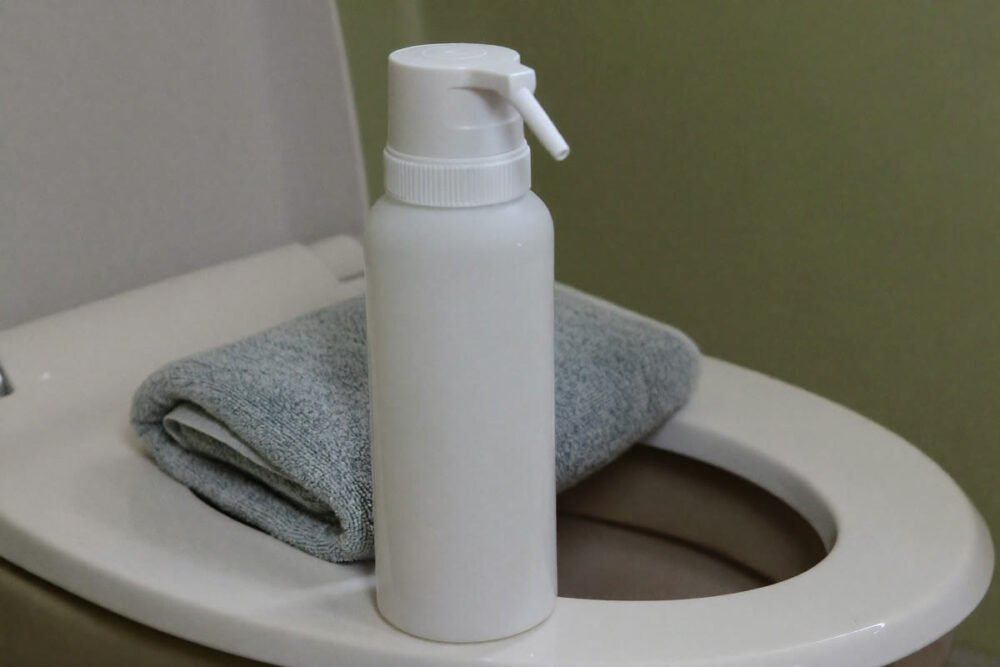
The outside sting and the inside burn are different problems with different answers. Which pain is this, what helps tonight, and when to call.
The outside sting and the inside burn are different problems with different answers. Which pain is this, what helps tonight, and when to call.
Misery is normal, so it cannot be the signal. Two things you can count tonight decide whether morning sickness has become a call to your doctor.
The lists all assume your day is yours to rearrange. The second time, morning sickness runs on a three-year-old’s schedule, and only some tricks survive.
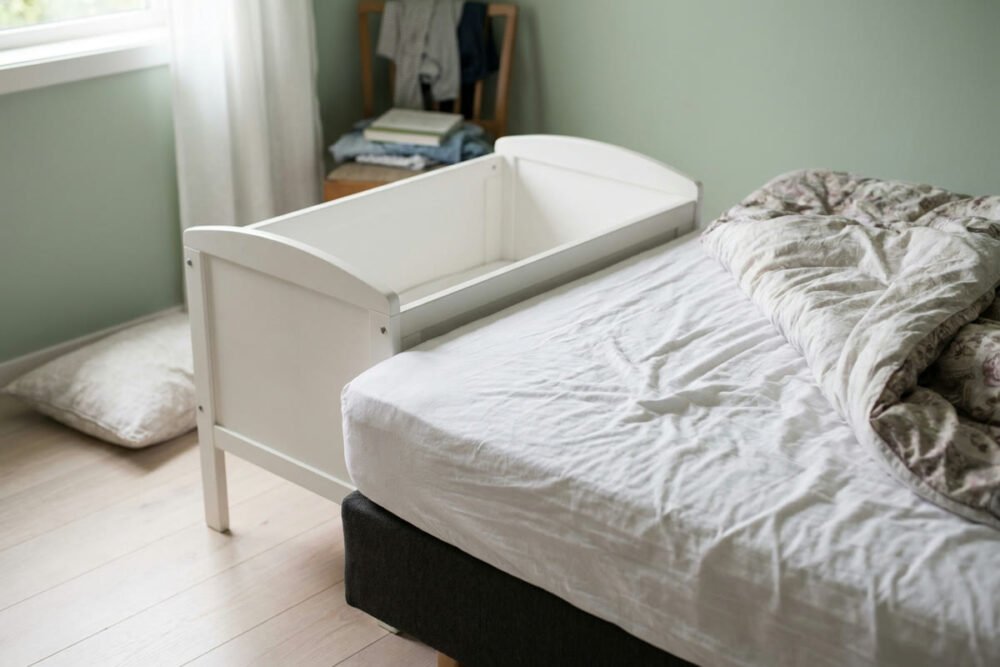
You woke up and the baby is still beside you. What to do in the first thirty seconds, why the couch is a different question, and how to set the bed up before tonight.
A thought that horrifies you is not a plan. What the horror actually tells you, why the checking is the other half of it, and the kind of thought that needs a call tonight.

Most people do not go for a few days after birth. The NHS says the stitches are very unlikely to break, and the first one is decided before you sit down.
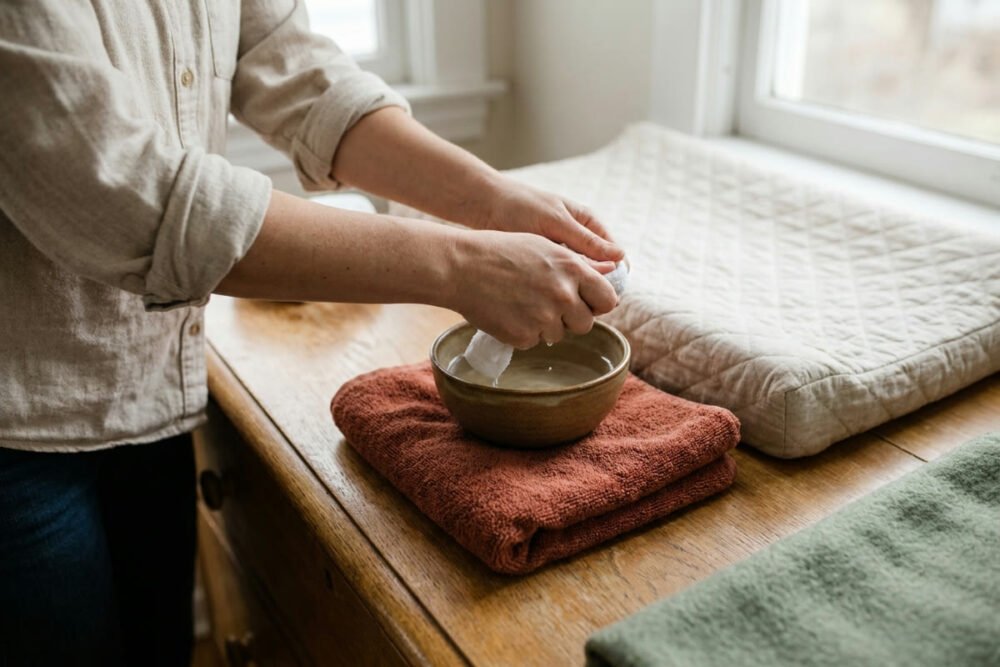
Sponge baths only until the umbilical stump falls off. What those two weeks actually look like, where in the house you do it, and what happens the first time the tub is allowed.
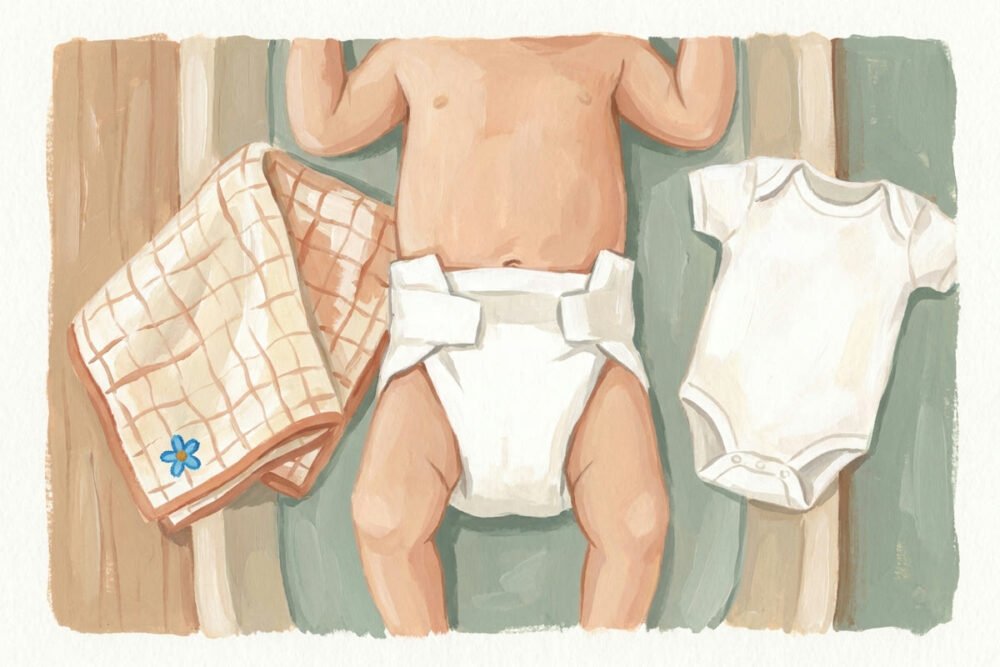
No alcohol, no bandage, and the diaper folded down below it. What the AAP and the NHS actually ask you to do, what is normal as it dries, and when it is a call.

Room sharing, firm flat surfaces, and what the AAP says about the feed at four in the morning.
ACOG recommends contact within three weeks and a full visit by twelve, not one appointment at six. What the schedule is supposed to be, and why the timing matters.